Sound Waves Early Literacy (F–2)
Ensure your early primary students learn the essential reading and spelling skills they need for literacy success.
Systematic synthetic phonics, word study and reading
Sound Waves Early Literacy is a three-year program for Foundation to Year 2. Lessons are effective, engaging and delivered to the whole class. Instruction is sequential and cumulative using an evidence-based systematic synthetic phonics approach.
What sets Sound Waves apart:
- evidence-based approach
- systematic sequence of instruction for strong literacy outcomes
- explicit teaching of phoneme–grapheme relationships and focus concepts (including morphology)
- robust consolidation activities for every lesson
- dedicated reading lessons and practice using Decodable Readers (Foundation and Year 1)
- spelling and single word reading assessments – with targeted remediation resources
- essential reference charts to support correct grapheme choice
- a wealth of engaging and meaningful games and activities
- free ongoing professional learning and support for schools.
Evidence-based
Our team of linguistic experts and teachers combines research on the most effective methods to teach reading and spelling with decades of successful classroom application. The result is a program of proven resources that deliver on both pedagogy and practicality.

Curriculum covered
Made for Australian classrooms
Sound Waves Early Literacy meets curriculum and syllabus requirements in Foundation to Year 2.
The program uses a systematic synthetic phonics approach and is organised around the 43 phonemes of Australian English and the graphemes used to represent them in written language.
Instruction builds across early primary starting with simple phoneme–grapheme relationships and decodable texts, progressing to more complex relationships, morphology and other key spelling and vocabulary concepts.
See how your curriculum aligns:
Scope and Sequence F–2
Australian Curriculum Match v9 F–2
Victorian Curriculum Match v2 F–2
NSW Syllabus Match Early Stage 1
NSW Syllabus Match Stage 1
Program structure
Sound Waves Early Literacy ensures all students receive systematic and consistent instruction. The program provides an effective framework for students to build and accumulate knowledge each year.
 Foundation
To suit the specialised nature of instruction required in the first year of school, the Foundation program has a unique sequence and weekly structure.
Weeks 1–5
The Foundation program begins with five weeks of oral-only phonemic awareness lessons. In these Getting Started lessons you’ll use the online teaching resources to introduce students to the 43 phonemes of Australian English and teach basic phonemic awareness skills (identifying initial, final and medial sounds, blending and segmenting).
Week 6 onwards
Phonics teaching begins in week 6 of Term 1. The Foundation program follows the same weekly teaching plan for the rest of the year. Each week includes two Phoneme–Grapheme Relationship lessons and two Focus Concept lessons (vocabulary and morphology), as well as targeted reading practice.
Phoneme–Grapheme Relationship lessons
In these lessons, you’ll use the online teaching resources to teach a phoneme–grapheme relationship. Students will complete the corresponding Student Book activities to consolidate their learning.
You’ll conclude each lesson with whole-class modelled and shared reading using the projectable Sound Waves Decodable Readers.
Focus Concept lessons
In these lessons, you’ll use the online teaching resources to teach a Focus Concept (such as a Special Word, sentence writing or morphology). Students will complete the corresponding Student Book activities to consolidate their learning.
Modelled reading and independent reading practice
In addition to your modelled reading lessons, students participate in regular reading practice (using the class sets of Sound Waves Decodable Readers or eReaders) as an essential component of reading instruction in this year level.
Find out more about the Sound Waves Decodable Readers.
Assessment
Frequent assessment ensures you can monitor student progress and provide timely remediation. The Foundation program includes a Phonemic Awareness Assessment, Spelling Assessments and Single Word Reading Assessments.

 Years 1 and 2
Each year level contains 36 units of work. A unit is organised around one or two of the 43 phonemes of Australian English and contains a series of lessons. The same sequence of phonemes is taught in both Year 1 and Year 2, making teaching with Sound Waves Early Literacy easy and seamless for composite classrooms.
Focus Phoneme, Grapheme/s and Focus Words lesson
In these lessons, you’ll use the online teaching resources to introduce students to a focus phoneme, grapheme/s and Focus Words. After each lesson, students complete the corresponding Student Book activities to consolidate their learning.
Year 1 teachers also conduct whole-class modelled and shared reading using the projectable Sound Waves Decodable Readers.
Focus Concept lessons
In these lessons, you’ll use the online teaching resources to teach your students Focus Concepts related to spelling patterns, morphology (such as prefixes or suffixes) and vocabulary (such as homophones and compound words). After each lesson, students complete the corresponding Student Book activities to consolidate their learning.
Modelled reading and independent reading practice
In Year 1, in addition to your modelled reading lessons, students participate in regular reading practice throughout the week (using the class sets of Decodable Readers or eReaders) as an essential component of reading instruction in this year level.
Year 2 students can continue to use the Support, Consolidation and Extension Decodable Readers from Year 1 (or Foundation) for further consolidation of word recognition skills.
Find out more about the Sound Waves Decodable Readers.
Assessment
Frequent assessment ensures you can monitor student progress and provide timely remediation. The Spelling Diagnostic Test is used in Terms 1 and 3 to identify students’ strengths and weaknesses with specific spelling concepts. The twice-termly Content Reviews are used to assess students’ understanding of previously concepts. The Reviews also include single-word and sentence dictation.

Explicit teaching and targeted practice
Comprehensive and cohesive literacy lessons
With Sound Waves Early Literacy, you will deliver explicit teaching lessons and targeted practice that is comprehensive, cohesive and engaging.
Teach with online resources
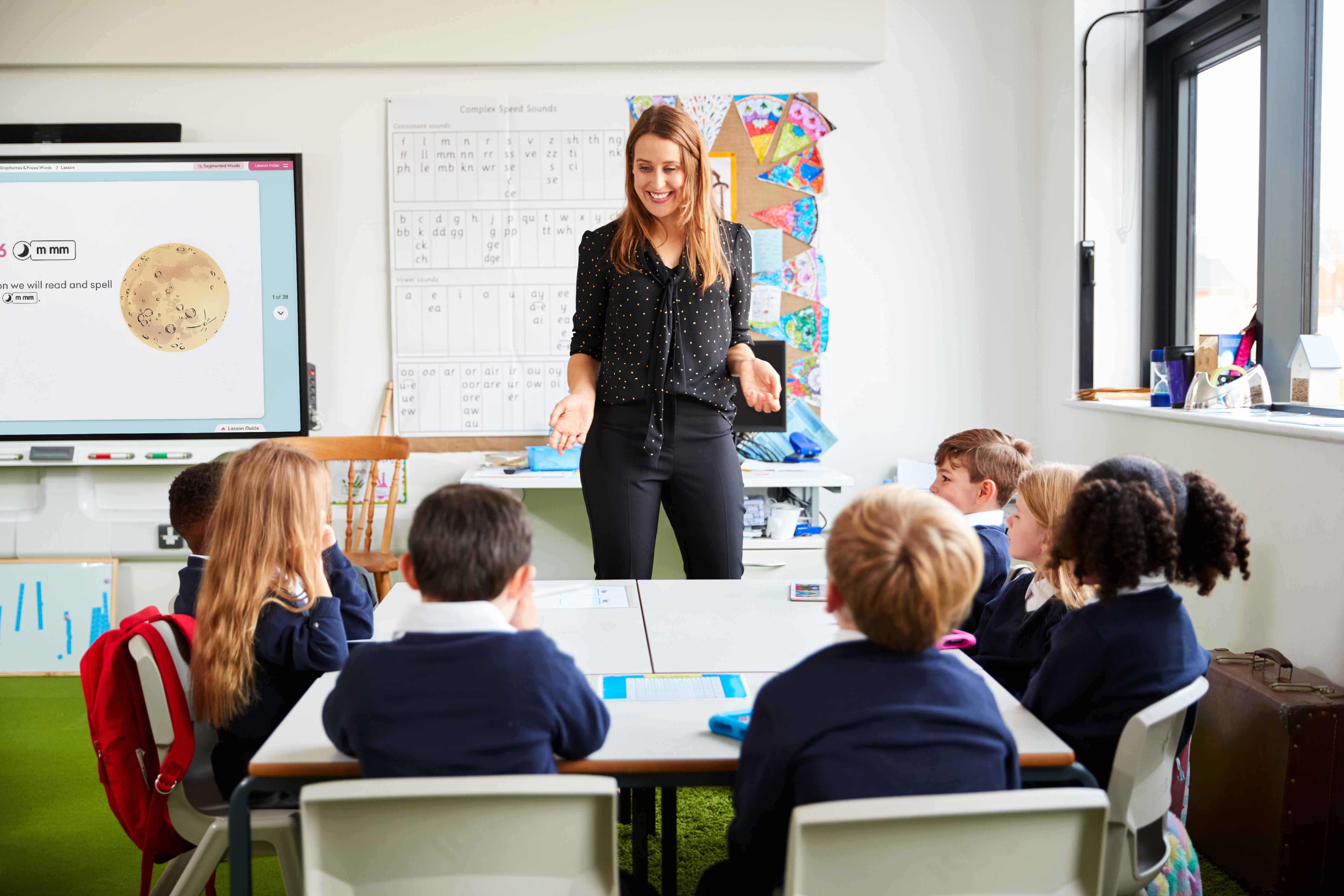
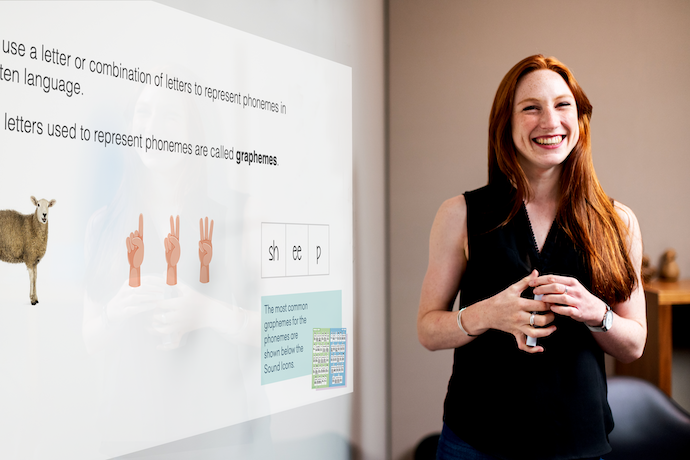
The online teaching resources have everything you need to explicitly teach phoneme–grapheme relationships, reading skills, vocabulary and morphology.
Consolidate with Student Books and Decodable Readers
The explicit teaching is always followed by targeted practice. Students consolidate their understanding of the lesson by completing the corresponding Student Book activities. Students also apply this knowledge by reading the Decodable Readers (Foundation and Year 1).
Additionally, Sound Waves Early Literacy offers extra resources, games and activities to enrich your weekly lessons.

Regular assessment
Monitor students’ spelling and reading skills
Sound Waves Early Literacy includes targeted spelling and reading assessments to inform your teaching and provide timely remediation.
- Single Word Reading Assessments (F–1) help you assess students’ ability to decode and read words as a beginner reader.
- Spelling Diagnostic Test (1–2) helps you identify students’ overall strengths and weaknesses.
- Content Reviews (1–2) help you assess students’ long-term retention of previously learned Focus Concepts.
All assessments come with marking guides and tips, handy spreadsheets to capture students’ results and suggested remediation activities.
Read our assessment article for an in-depth breakdown of how assessments work across the Sound Waves series.
Quality professional learning and support
Australia-wide workshops, articles and more
Ongoing professional learning is essential for consistent and successful implementation of instruction. Our team has a wealth of teaching experience and provides tailored professional learning opportunities to support you and your school throughout the year – at no extra cost.
Request a meeting or professional learning workshop for your school, register for one of our virtual workshops, browse our articles, or simply reach out to your local Education Consultant any time of the year with your questions.
What about Years 3 to 6?
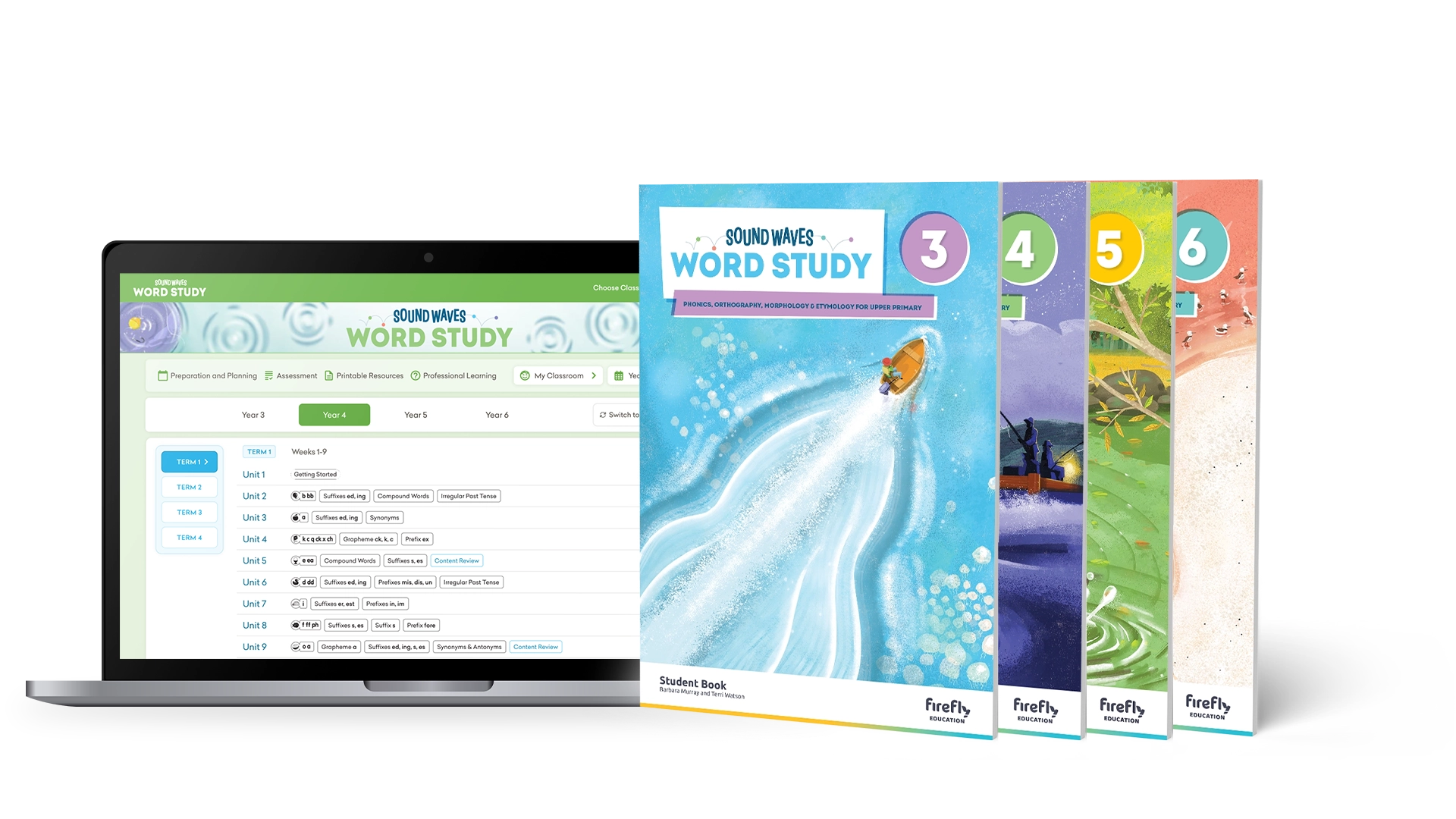
Check out our companion series Sound Waves Word Study for a deep-dive into grapheme choice, spelling patterns, morphology and etymology. This powerful approach to word study equips middle to upper primary students with the in-depth spelling skills they need for ongoing literacy success.